Let's settle this once and for all: should you pour your music marketing budget into user-generated content or paid ads?
The answer might surprise you. It's not actually either/or, but there's a clear winner when it comes to building authentic connections with listeners in 2026. And if you're still running the same Facebook ads you were in 2022, you're already behind.
Here's what's changed, what's working, and how to build a music promotion strategy that actually converts streams into superfans.
What UGC Actually Means for Music Promotion in 2026
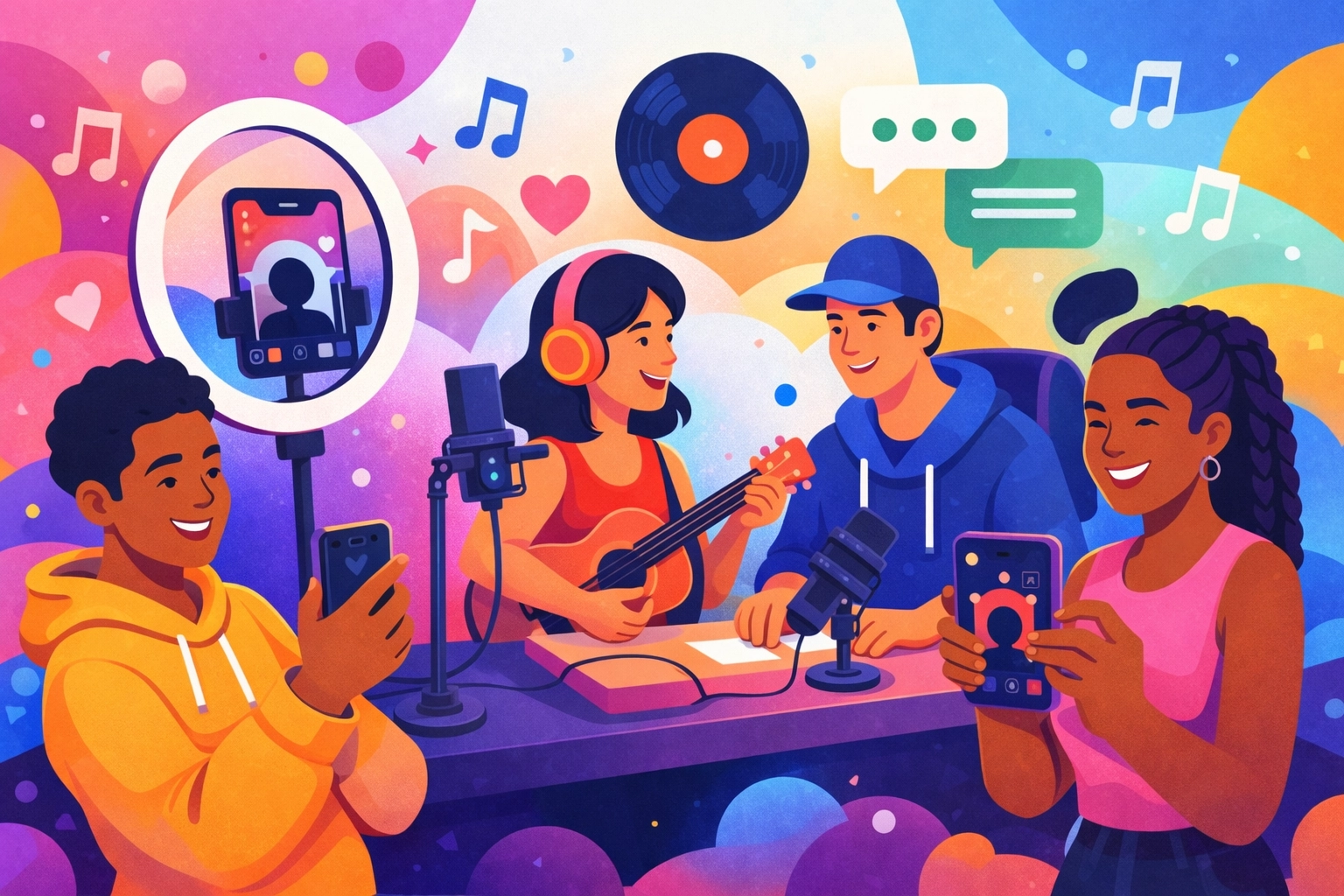
User-generated content isn't what it used to be. It's not just fans randomly posting about your track (though that's great too). In 2026, UGC for music marketing means strategic content created by real people that you can control, repurpose, and amplify.
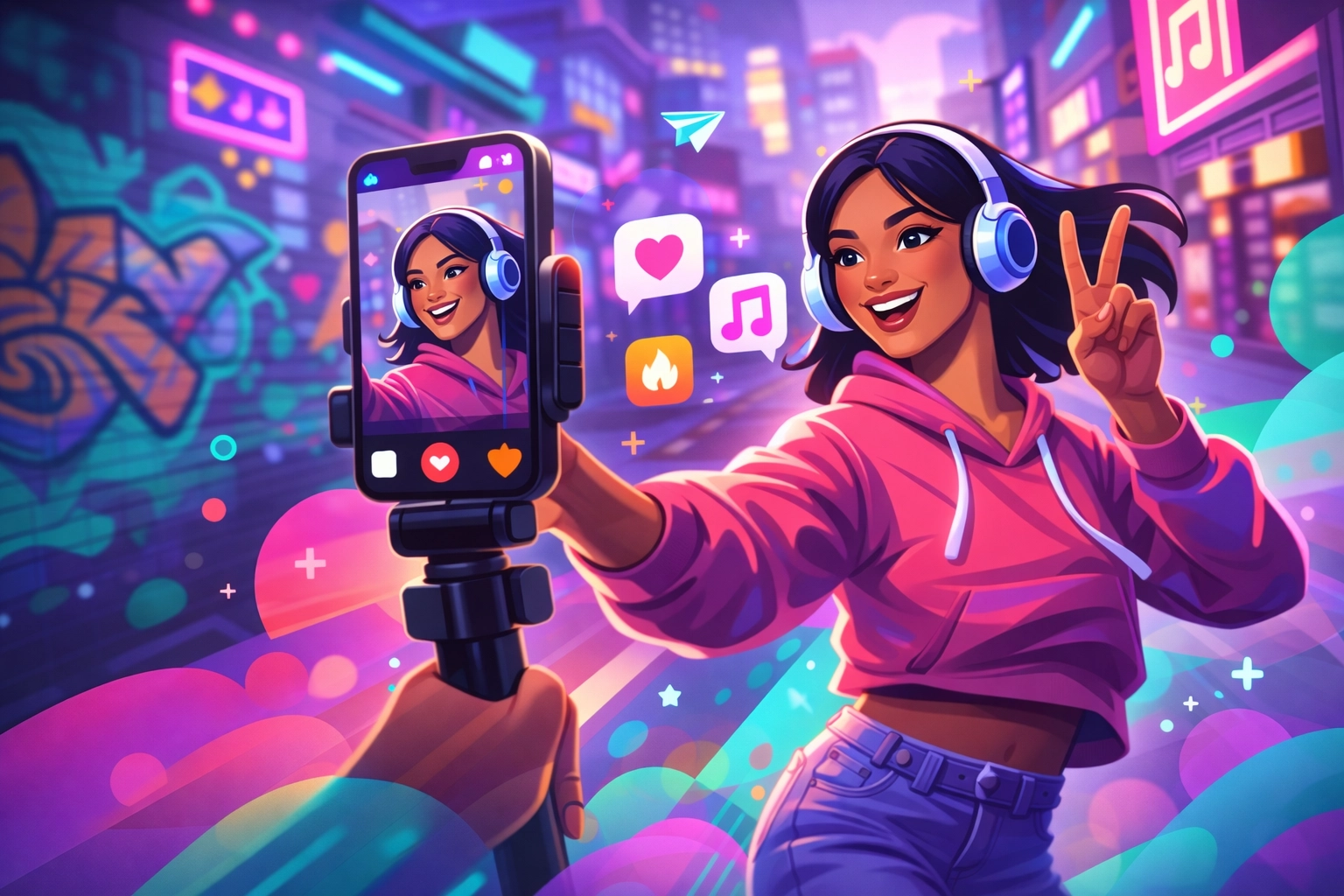
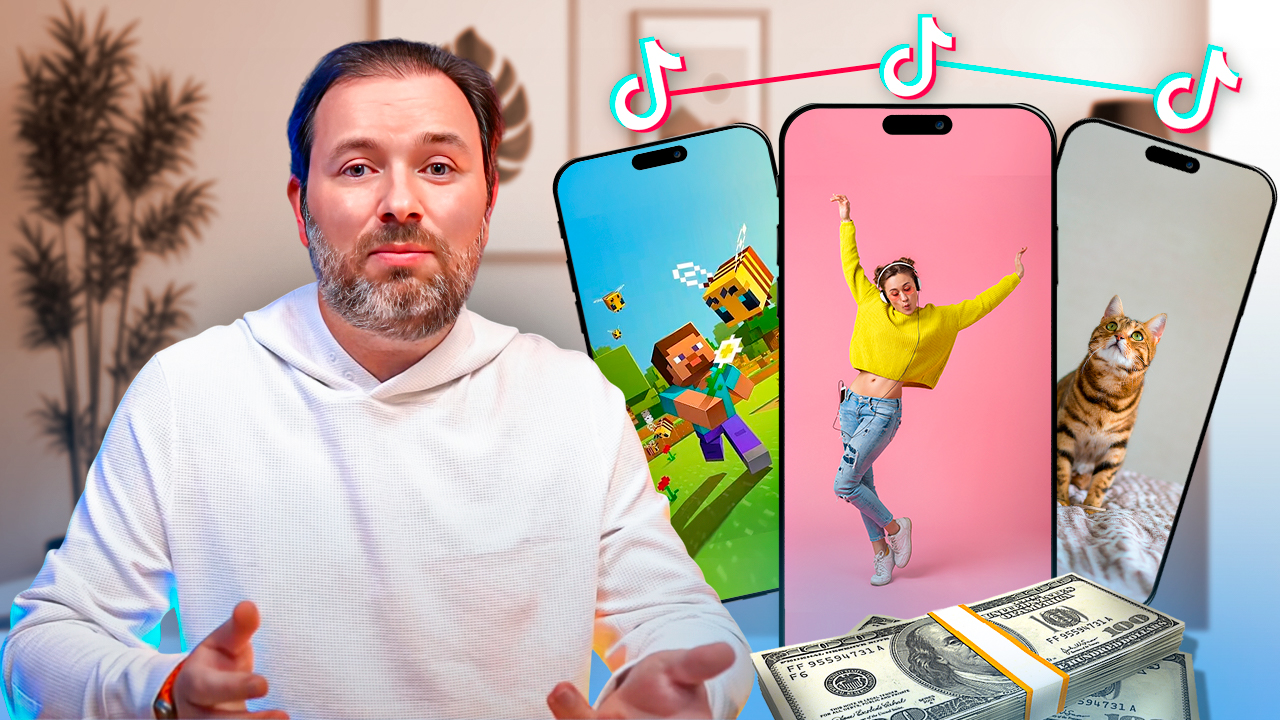
Think about it: when a TikTok creator uses your song in a genuine moment, dancing in their kitchen, lip-syncing during their morning routine, or soundtracking their daily vlog, that content feels real. It doesn't scream "AD!" at viewers. It's just... there. Naturally woven into someone's life.
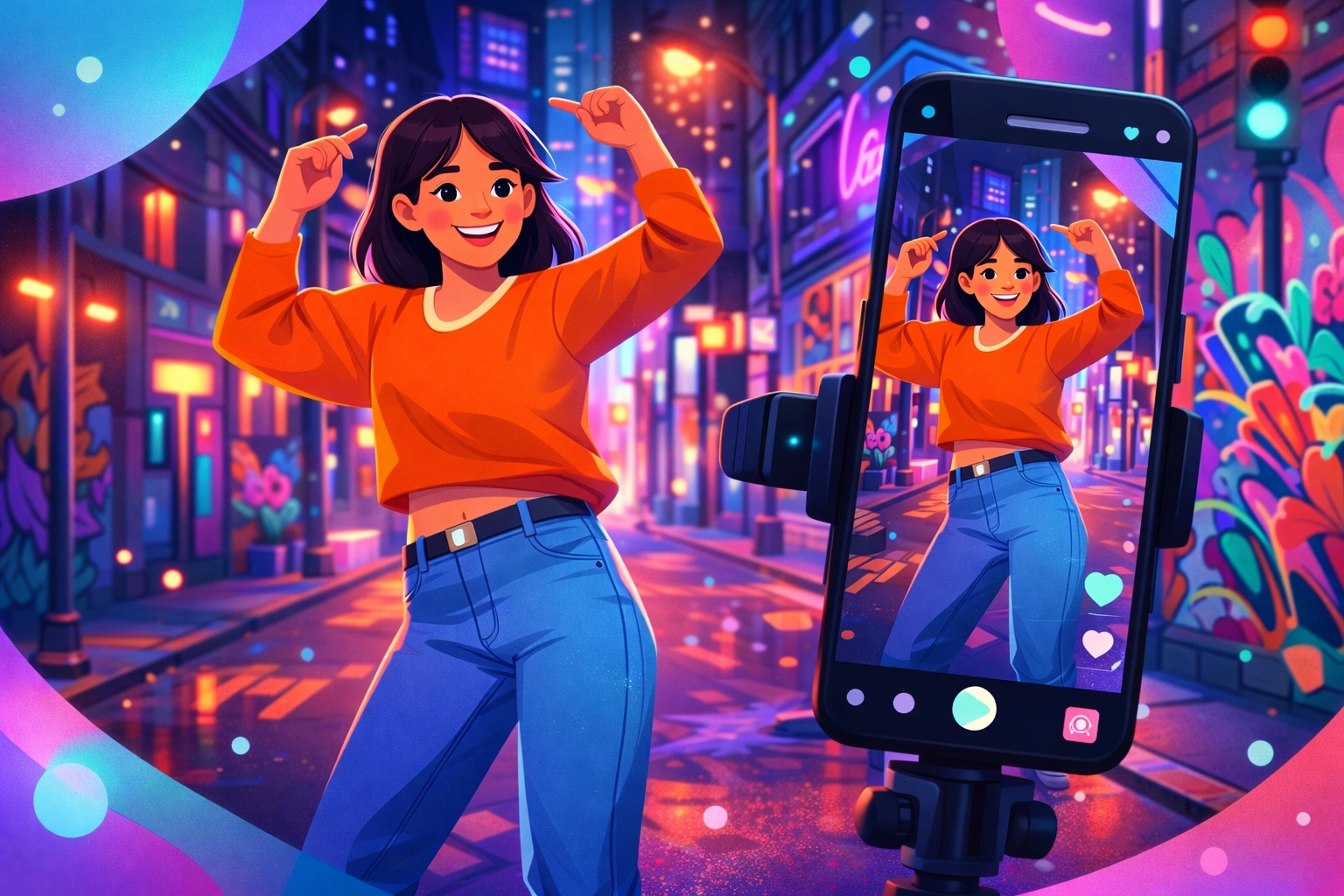
This authenticity is gold. Content that feels "inhumanly real" (yeah, that's the actual term marketers use now) builds significantly more trust than polished, studio-produced ads ever could. Your listeners can smell a manufactured campaign from a mile away. But when they see regular people connecting with your music? That's different.
Here's the kicker: you own this content. You can repurpose it across your own channels, run it as paid creative, and yes, even collect royalties through UGC claims when creators use your sound organically.
The Paid Ads Playbook: Speed and Scale
Let's be real: paid ads aren't dead. They're just not the hero of the story anymore.
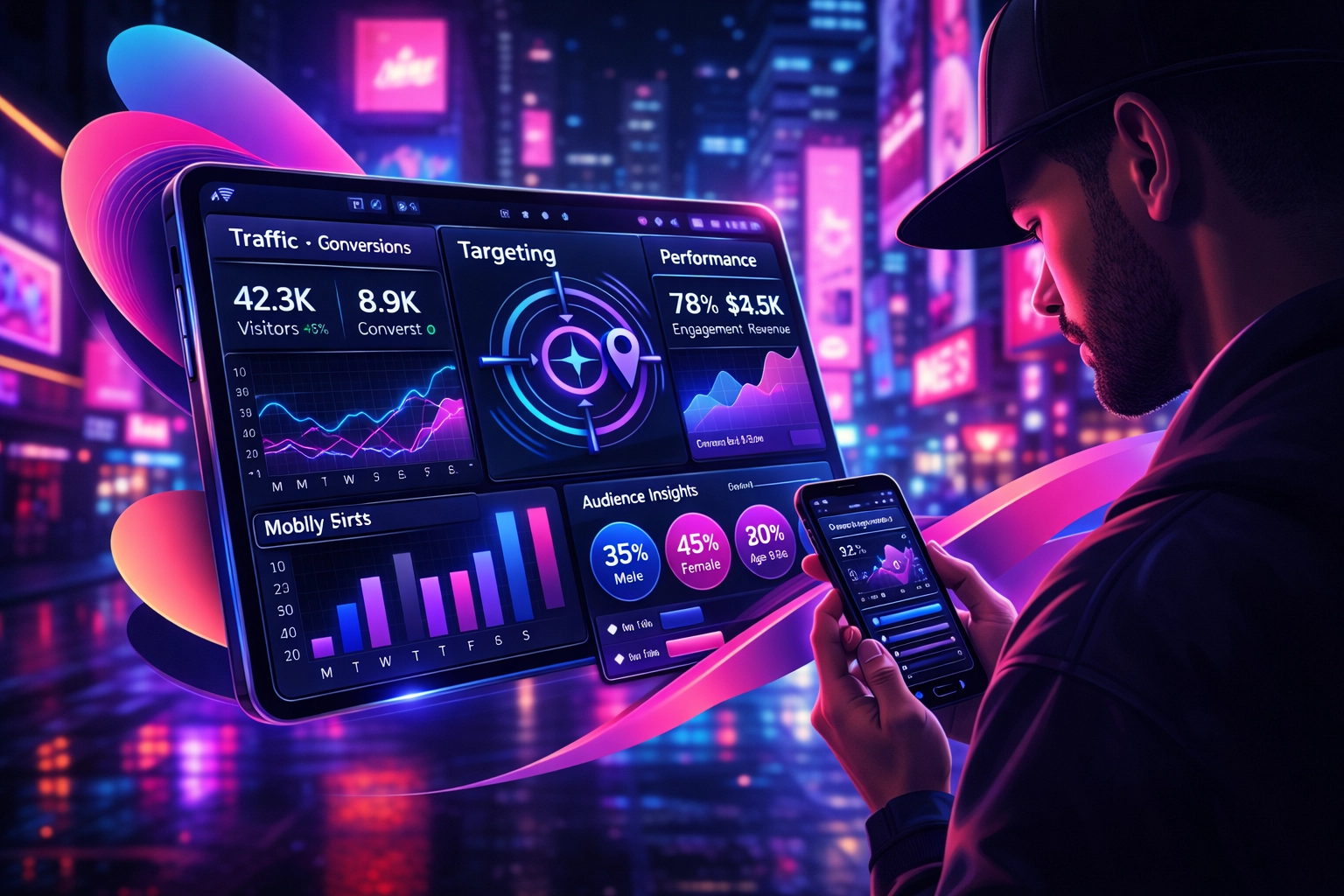
Paid advertising through Meta, TikTok, and YouTube gives you something UGC can't: immediate, measurable reach to hyper-specific audiences. Want to target 22-year-old indie music fans in Brooklyn who follow Phoebe Bridgers? Done. Need to reach 500,000 people by next Tuesday? No problem.
The benefits are straightforward:
But here's where it gets tricky. Paid ads work best when they don't feel like ads. And guess what type of creative performs best on paid platforms? UGC-style content. Over 50% of top-performing Meta Ads creatives now use the UGC approach because it converts like crazy.
So even your paid ads should look... unpaid.
Why Authenticity Wins (And Always Will)
Let's talk about trust. Your audience has been marketed to death. They scroll past thousands of ads every single day. Their brains have built-in ad-blockers that filter out anything that looks too polished or sales-y.
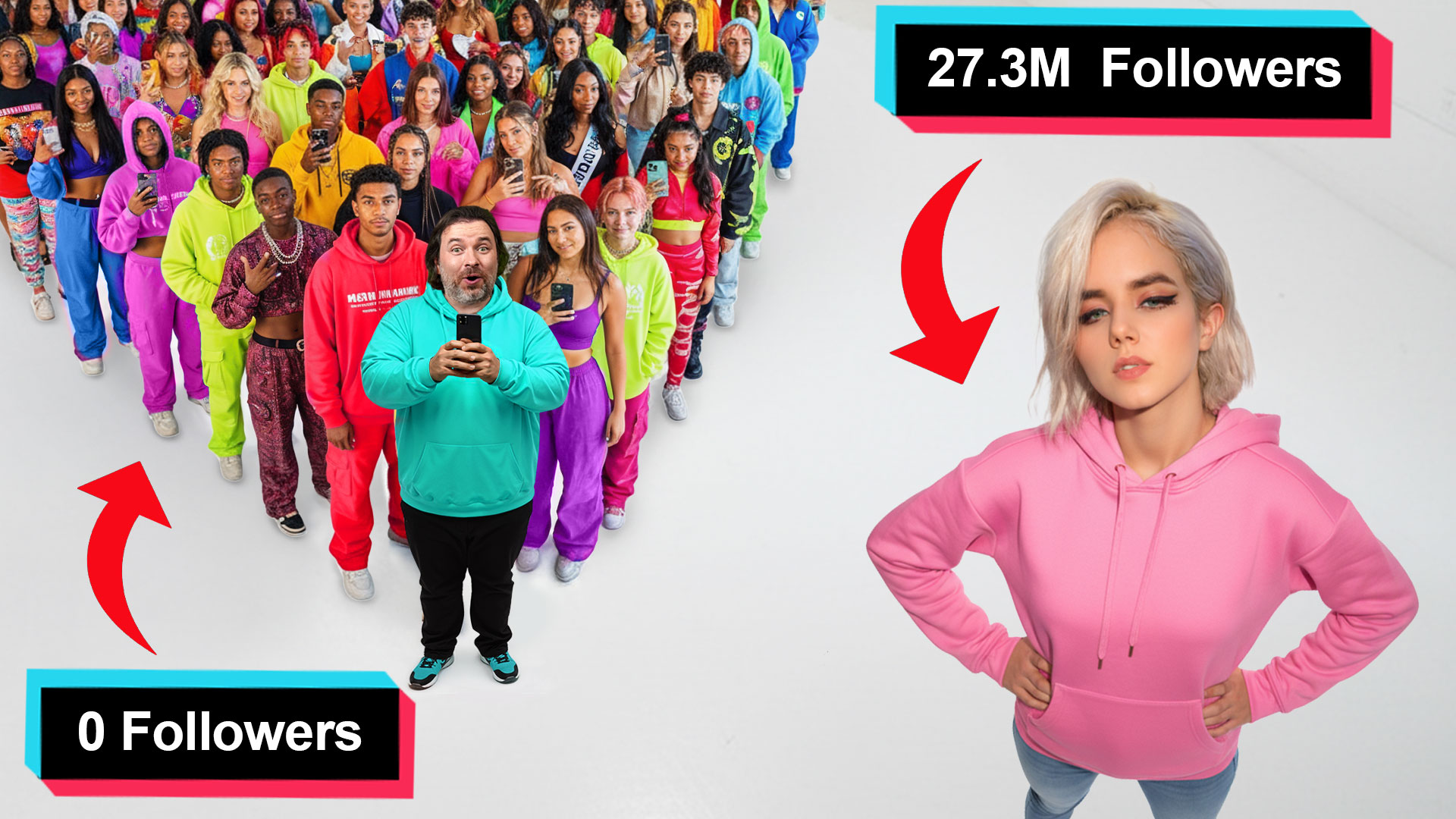
But when they see their favorite micro-influencer genuinely vibing to your track? Their guard drops. When a creator with 10K followers shares how your song got them through a breakup? That's not an ad. That's a recommendation from someone they actually care about.
User-generated content marketing creates something paid ads can't: social proof at scale. It's the digital equivalent of your friend telling you about an incredible song they discovered: except it's happening across thousands of creators simultaneously.
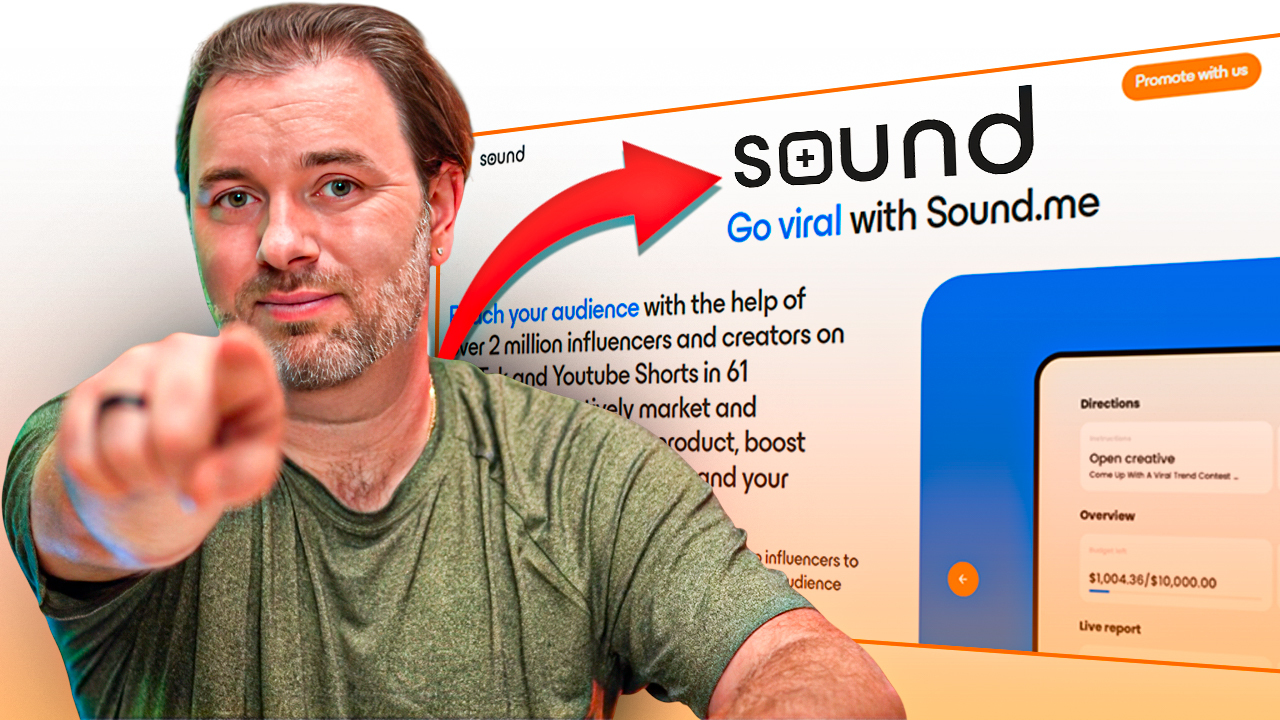
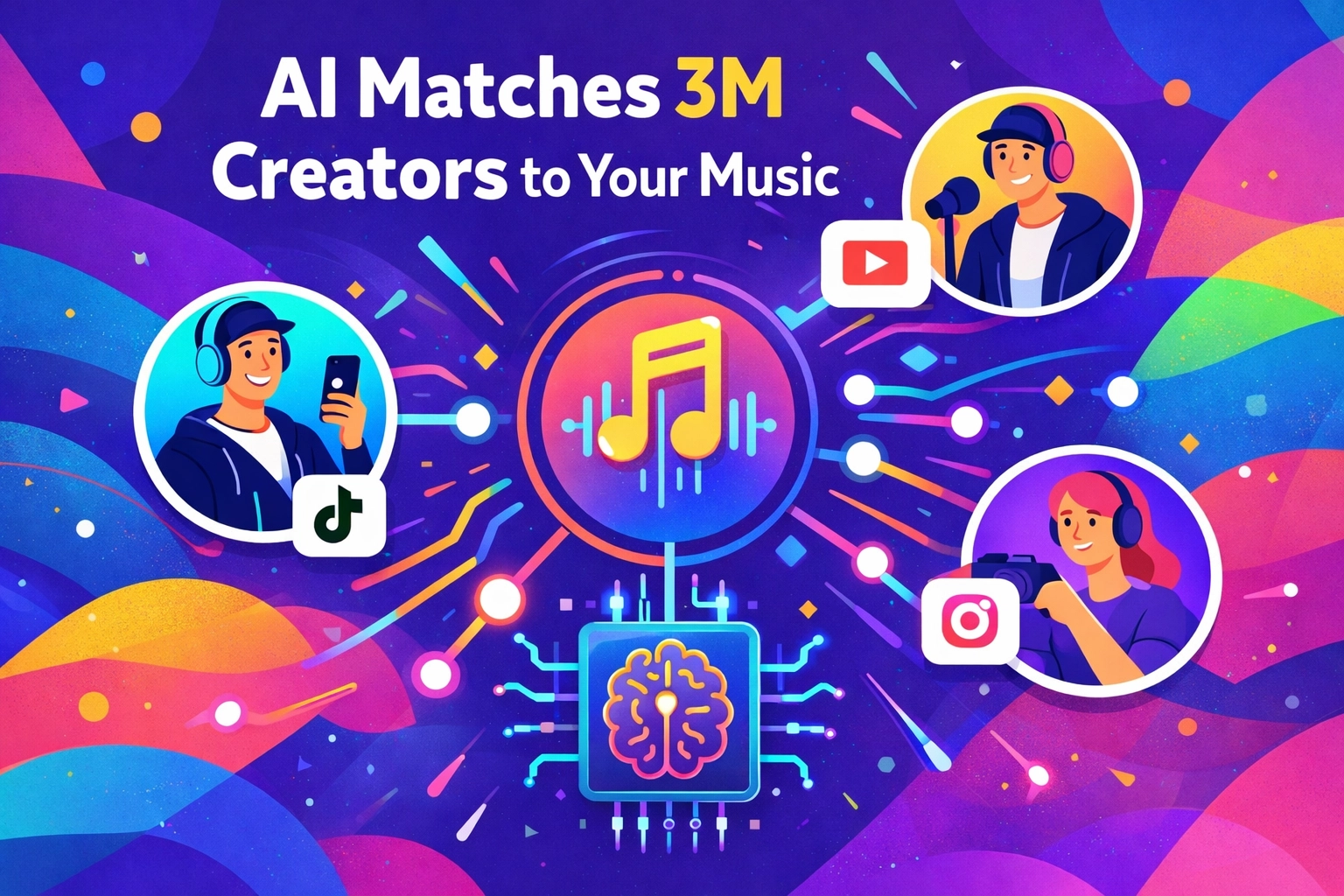
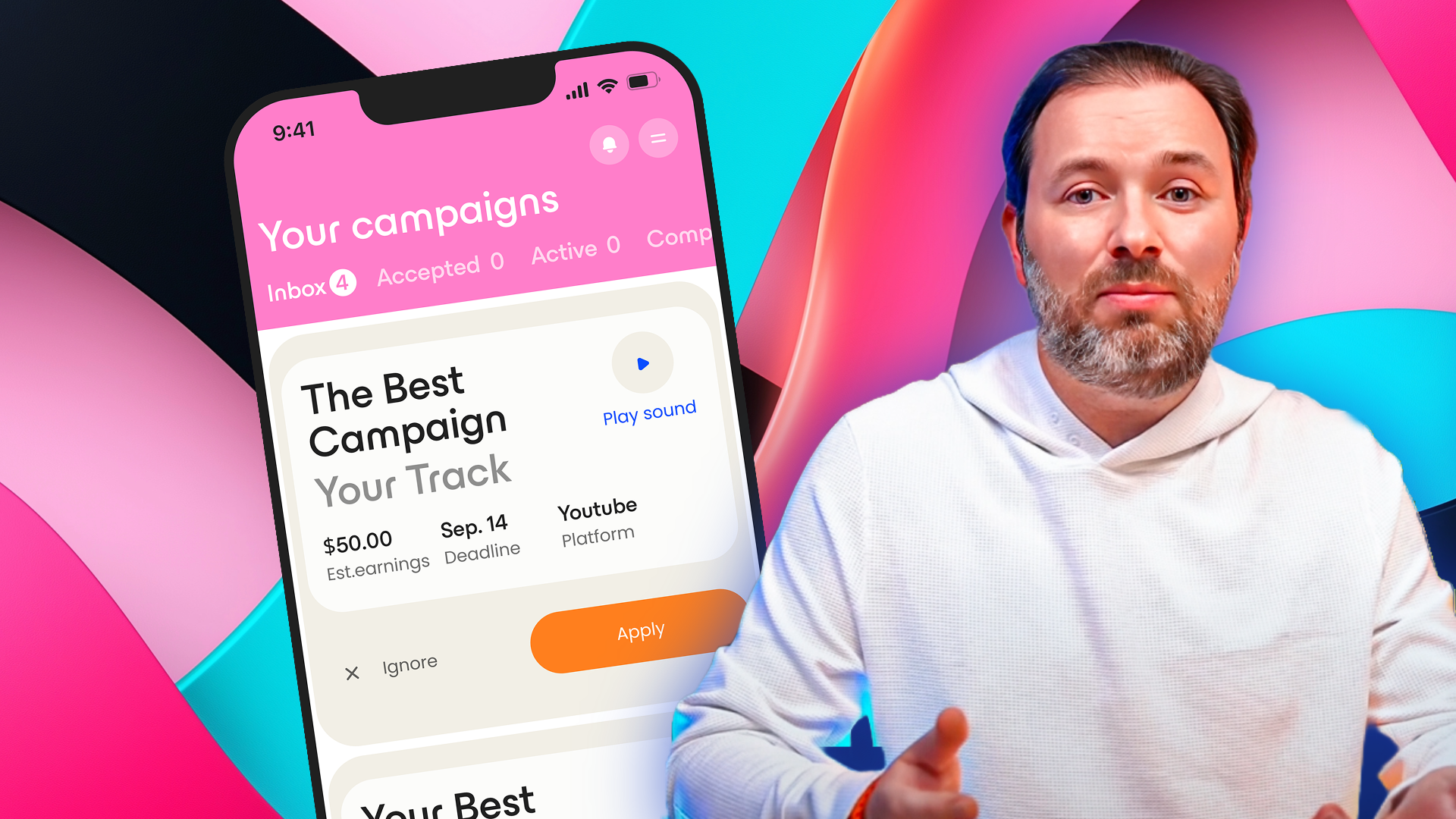
With platforms like Sound.me connecting artists to 3 million creators, you're not hoping for organic discovery anymore. You're actively partnering with real people who can authentically integrate your music into their content. These aren't faceless ad impressions. They're genuine creative partnerships that feel natural to audiences.
The Strategic Truth: You Need Both (But Not Equally)
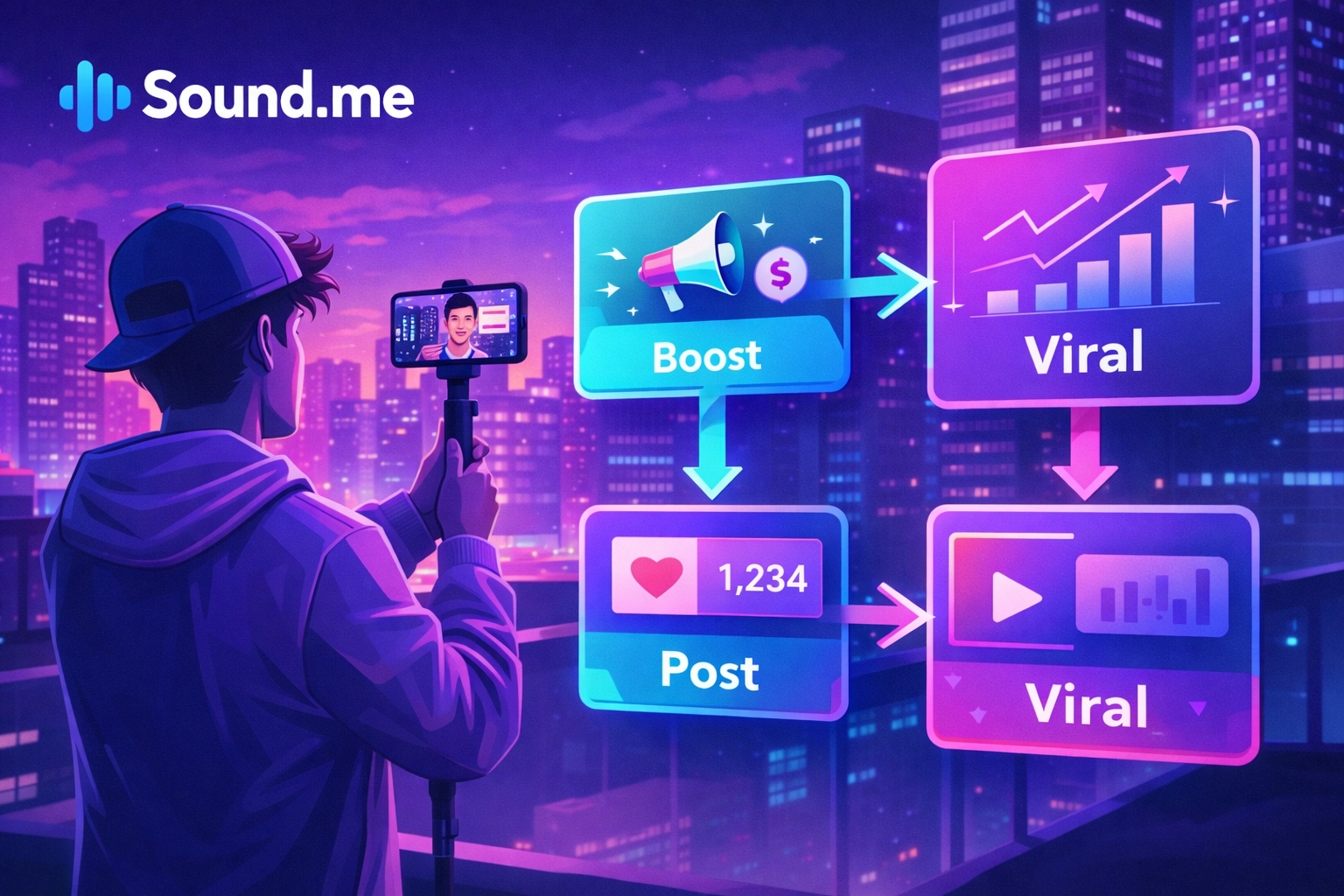
Here's what the most successful artists are doing in 2026: they're using organic UGC to build credibility and test what resonates, then deploying paid ads to scale the winners.
Think of it like this:
This approach gives you the best of both worlds. The authenticity of UGC builds trust and engagement. The reach of paid ads ensures you're not just preaching to the converted: you're expanding your listener base strategically.
Major labels managing artists like Billie Eilish and Ed Sheeran aren't choosing one channel. They're hitting every platform (Reddit, Amazon, Meta, TikTok) and every revenue stream (merch, streams, UGC partnerships) simultaneously. Diversification reduces risk and maximizes opportunities.
How to Actually Execute This Strategy
Ready to combine UGC and paid ads effectively? Here's your action plan:
Start with organic content creation. Partner with creators who genuinely fit your sound. Don't force a country artist to work with EDM dancers. Authenticity starts with the right match. The Sound.me platform uses AI to match your music with creators whose content style, audience, and vibe align with your track: from a network of 3 million creators.
Let creators be creative. Don't script every word. Give them your song and creative freedom. The best UGC comes from genuine interpretation, not corporate talking points. You want their personality to shine through.
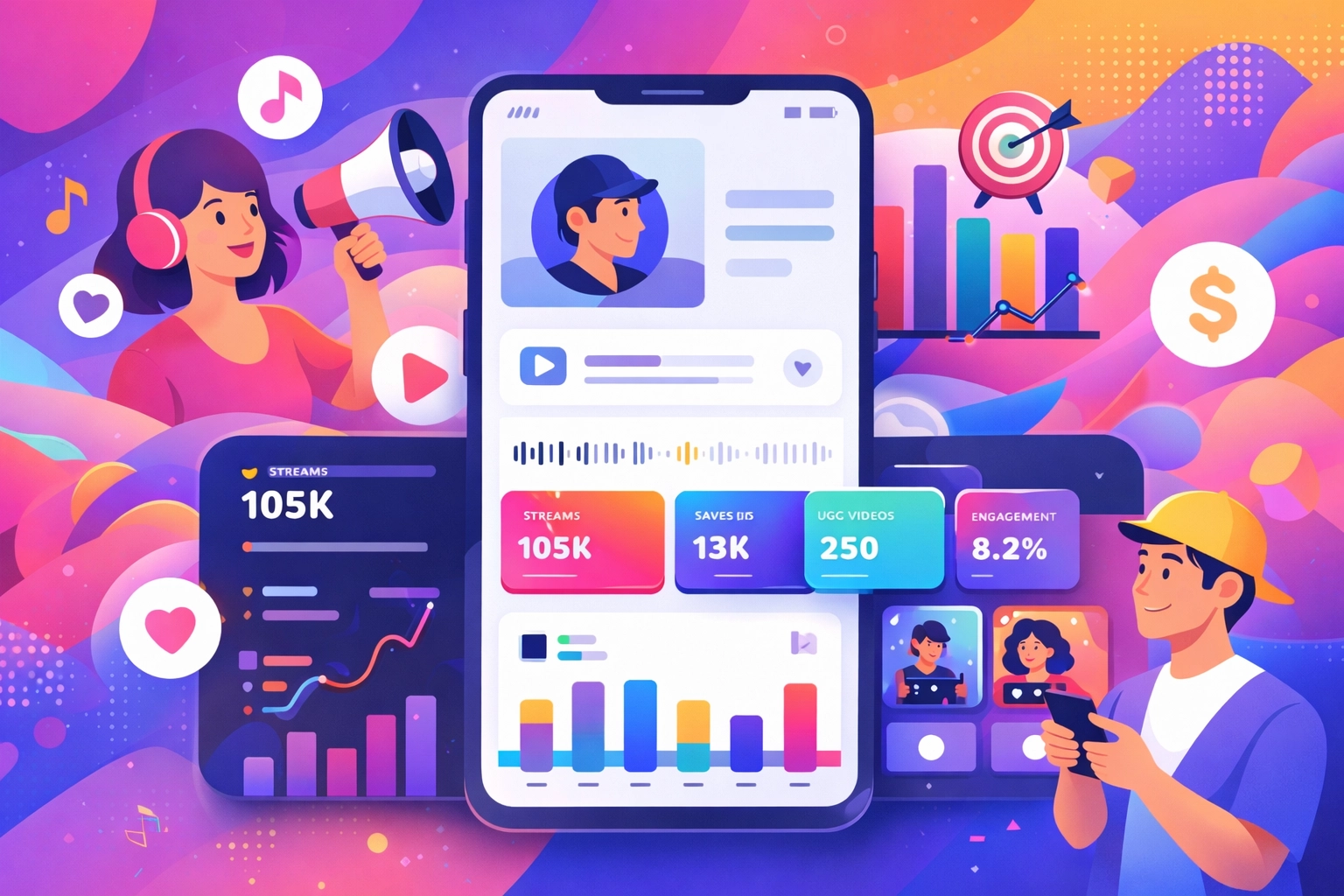
Track what performs organically. Which creator videos get the most engagement? Which hooks do audiences comment on? Which creative angles drive profile visits or streaming spikes? This is your market research, happening in real-time.
Repurpose winning content. Take your best-performing UGC and run it as paid creative. You've already validated that it resonates: now scale it. This is where your ad budget actually works efficiently.
Test, iterate, scale. Run small paid tests with different UGC creative. Double down on what converts. Kill what doesn't. Rinse and repeat.
The Creator Economy Changed Everything
Here's what's fundamentally different about music promotion in 2026: you don't need a massive budget to reach millions of people. You need the right creators telling your story authentically.
The creator economy shifted power away from gatekeepers and toward genuine connection. A micro-influencer with 15,000 engaged followers can drive more meaningful results than a billboard in Times Square. Because their audience actually listens to their recommendations.
This is why UGC-focused music marketing platforms exist now. The old model: pay for ads, hope for results: just doesn't cut it anymore. The new model connects you directly with creators who can integrate your music into content that their audiences already love and trust.
Your Next Move
So which is better for your music promotion in 2026: UGC or paid ads?
UGC builds your foundation. It creates authentic social proof, establishes emotional connections, and generates content that converts because it feels real. It should be your primary strategy for building genuine listener relationships.
Paid ads amplify your success. They scale what's already working, reach new demographics strategically, and provide the measurable growth metrics you need. They should support and amplify your organic efforts.
The artists winning right now aren't choosing between authenticity and reach. They're using authenticity to earn reach, then using paid distribution to scale it.
Start with real creators making real content. Let your music speak for itself through people who genuinely connect with it. Then amplify the hell out of what works.
That's music promotion in 2026. And honestly? It's a lot more exciting than the old playbook ever was.
%20copy.jpg)
.jpg)
.jpg)
%20copy.jpg)
%20copy.jpg)


.png)
.png)
.png)
.jpg)
.jpg)
.png)
.png)
.png)
.png)
.png)
.png)