You've poured your heart into your music. You've spent countless hours perfecting every beat, every lyric, every transition. Now comes the part that makes most artists uncomfortable: promotion.
Here's the truth: throwing money at random playlists or boosting posts without a plan is like shouting into the void. You might get a few echoes back, but you won't build real momentum. What you need is a creator campaign framework that turns music promotion into a measurable, repeatable system.
Let's break down exactly how to promote a song using creator partnerships with KPIs you can actually track.
Why Creator Campaigns Beat Traditional Music Promotion
Traditional music marketing feels like a black box. You pay for ads, cross your fingers, and hope something sticks. Creator campaigns flip that script entirely.
When you partner with content creators who genuinely vibe with your music, you're tapping into engaged communities that already trust their recommendations. It's not interruption marketing: it's invitation marketing. Plus, every piece of content they create lives on forever, compounding your reach long after the campaign ends.
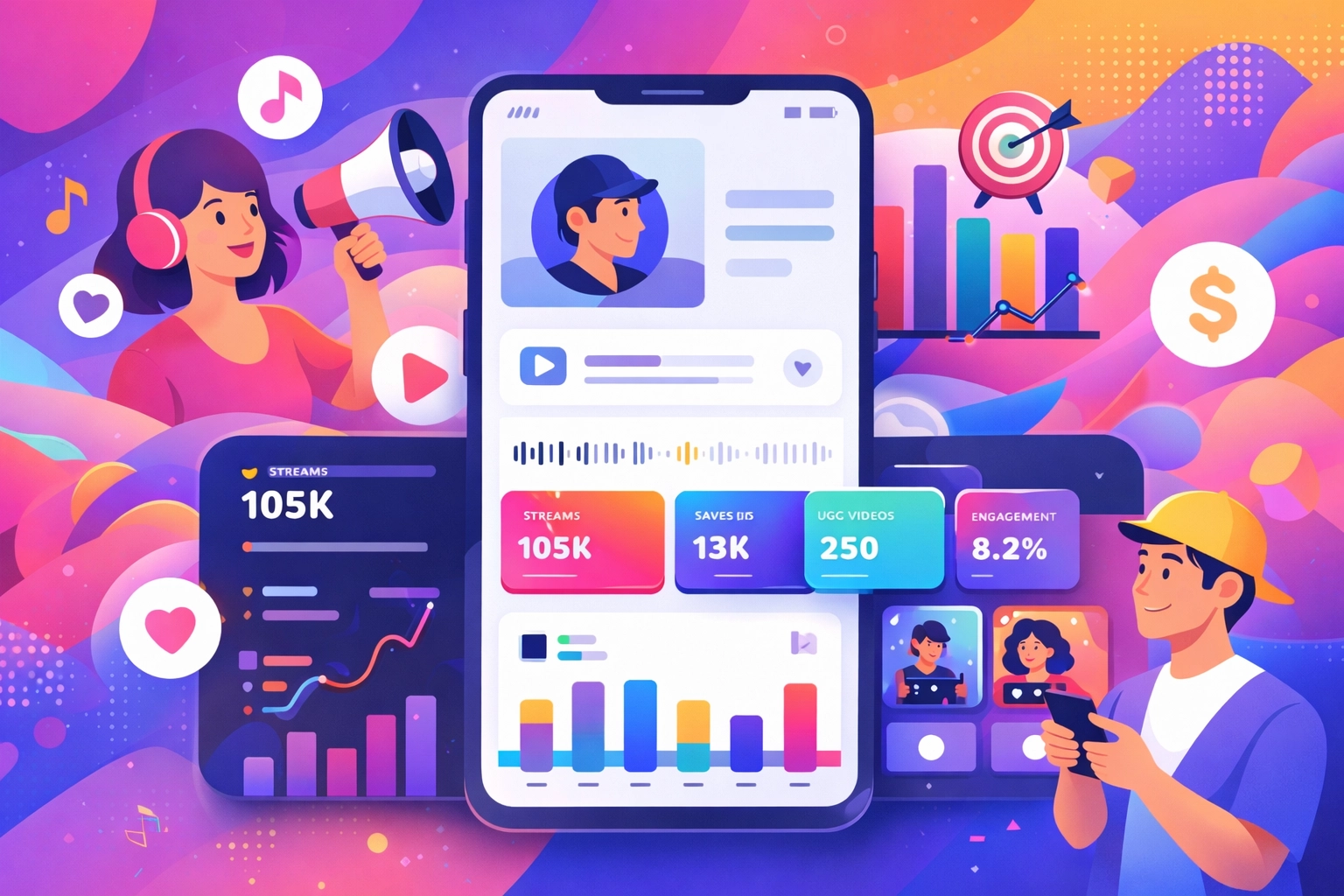
The best part? You can measure everything. Stream counts, saves, shares, engagement rates: it's all trackable. No more guessing whether your promotion actually worked.
Step 1: Build Your Listener Personas (Before You Do Anything Else)
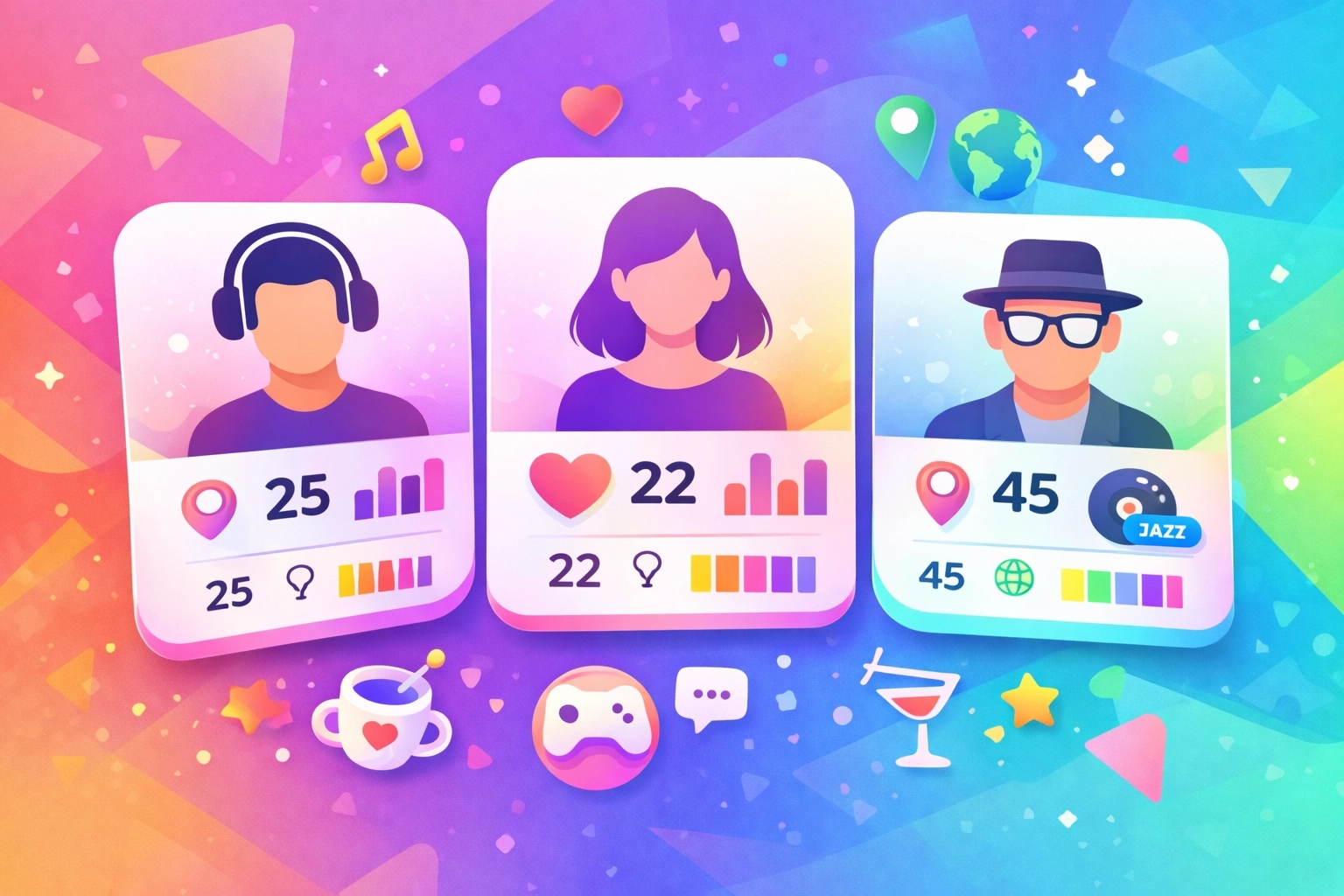
You can't hit a target you can't see. Before reaching out to a single creator, you need crystal-clear listener personas.
Who's most likely to save your track? What platforms do they hang out on? What other artists do they follow? Are they Gen Z TikTok natives or millennial Spotify playlist curators?
Create 2-3 detailed personas that include:
This isn't busywork: this foundation determines every decision you'll make, from which creators you partner with to what messaging resonates. When you know exactly who you're trying to reach, you stop wasting budget on people who'll never become fans.
Step 2: Find Creators Who Actually Get Your Music
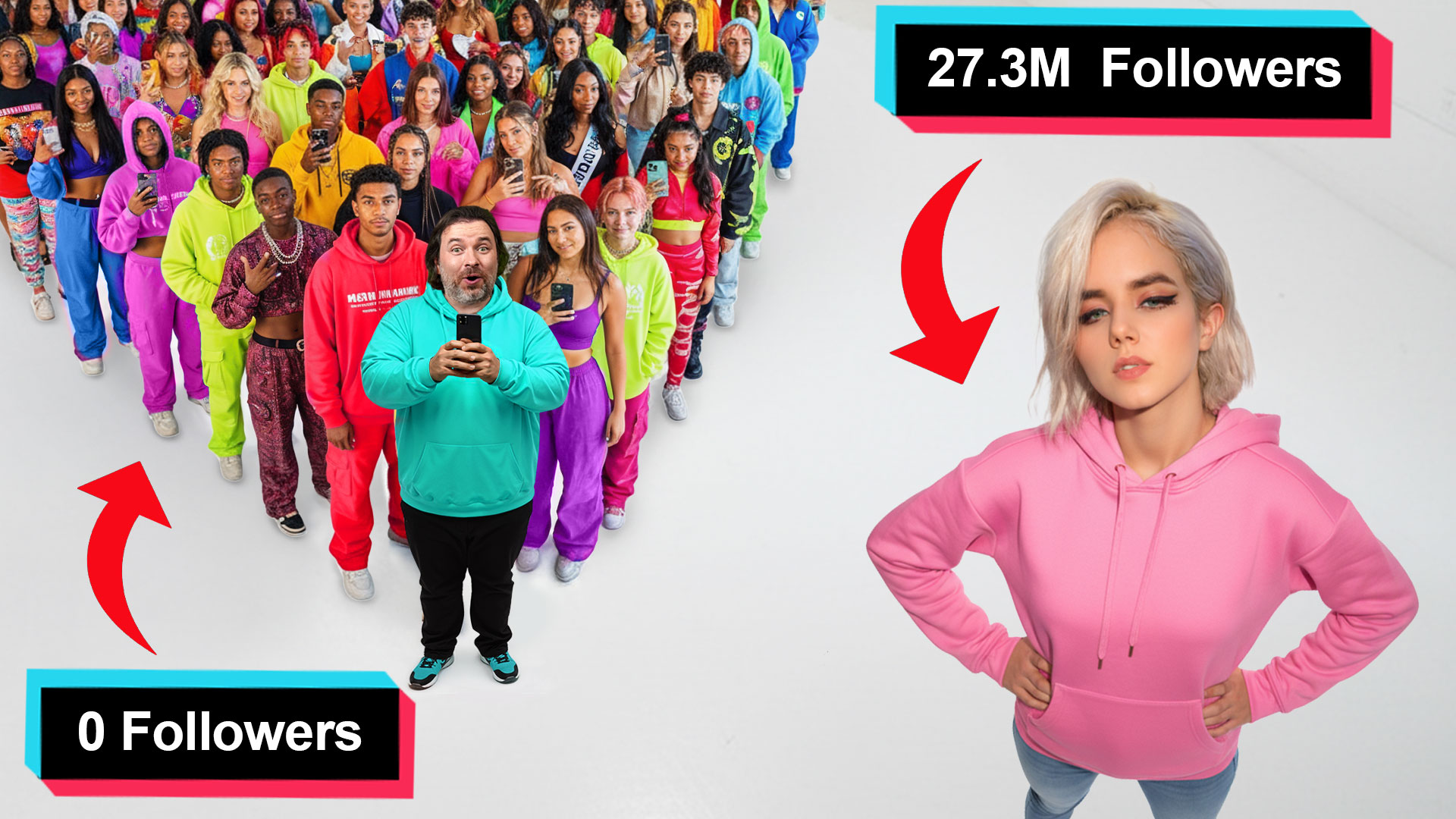
Here's where most artists mess up: they chase follower counts instead of alignment.
A creator with 500K followers who posts generic dance videos won't move the needle for your indie folk track. But a micro-influencer with 15K followers who obsesses over acoustic storytelling? That's your goldmine.
Look for these alignment signals:
Micro-influencers (10K-100K followers) often deliver better ROI than mega-influencers because their audiences are tighter-knit communities, not passive scroll-throughs. They have credibility within specific niches, and their recommendations actually mean something.
Step 3: Set Clear Collaboration Guidelines (But Give Them Creative Freedom)
Nobody wants to work with a control freak. Give creators a framework, not a script.
Your collaboration brief should include:
The magic happens when creators translate your music into their authentic voice. A gaming creator might use your track as background music during intense moments. A lifestyle creator might feature it in a morning routine montage. Trust their expertise: they know what resonates with their audience better than you do.
Step 4: Deploy Multi-Format Content Strategies
One TikTok post isn't a campaign: it's a single shot. You need multiple touchpoints to build real momentum.
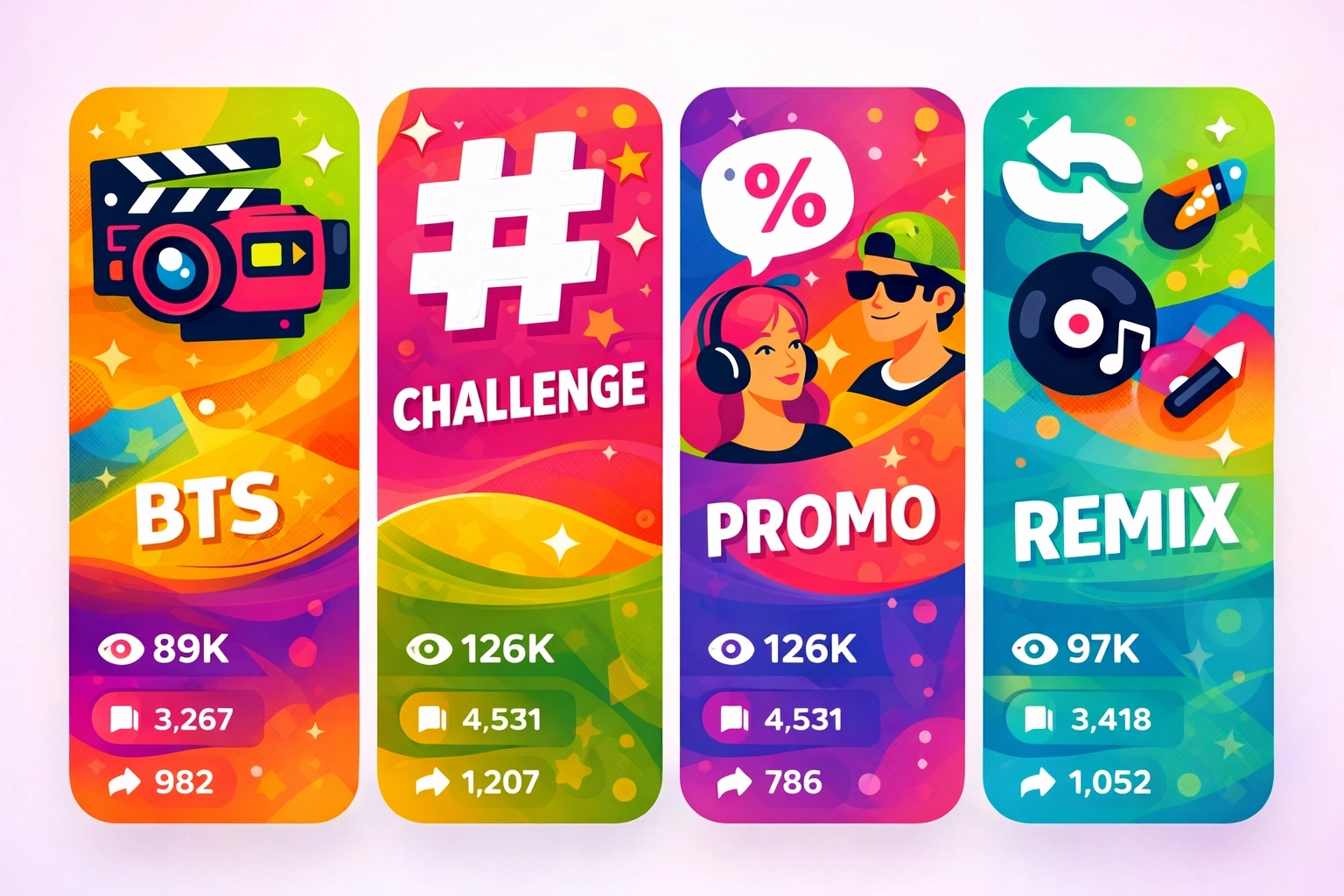
Mix these content formats:
Direct promotional content: Creators featuring your song in their videos, adding it to their playlists, or doing reaction videos to your music video.
Community-building content: Behind-the-scenes studio footage, Q&As about your creative process, or creators sharing what they love about the track.
Participatory campaigns: Dance challenges, lyric interpretation videos, or "add your verse" remix opportunities that encourage their audience to create content too.
The participatory stuff is gold because it turns viewers into creators themselves. When fans generate their own content using your song, you've officially created a movement, not just a marketing campaign.
Step 5: Track the KPIs That Actually Matter
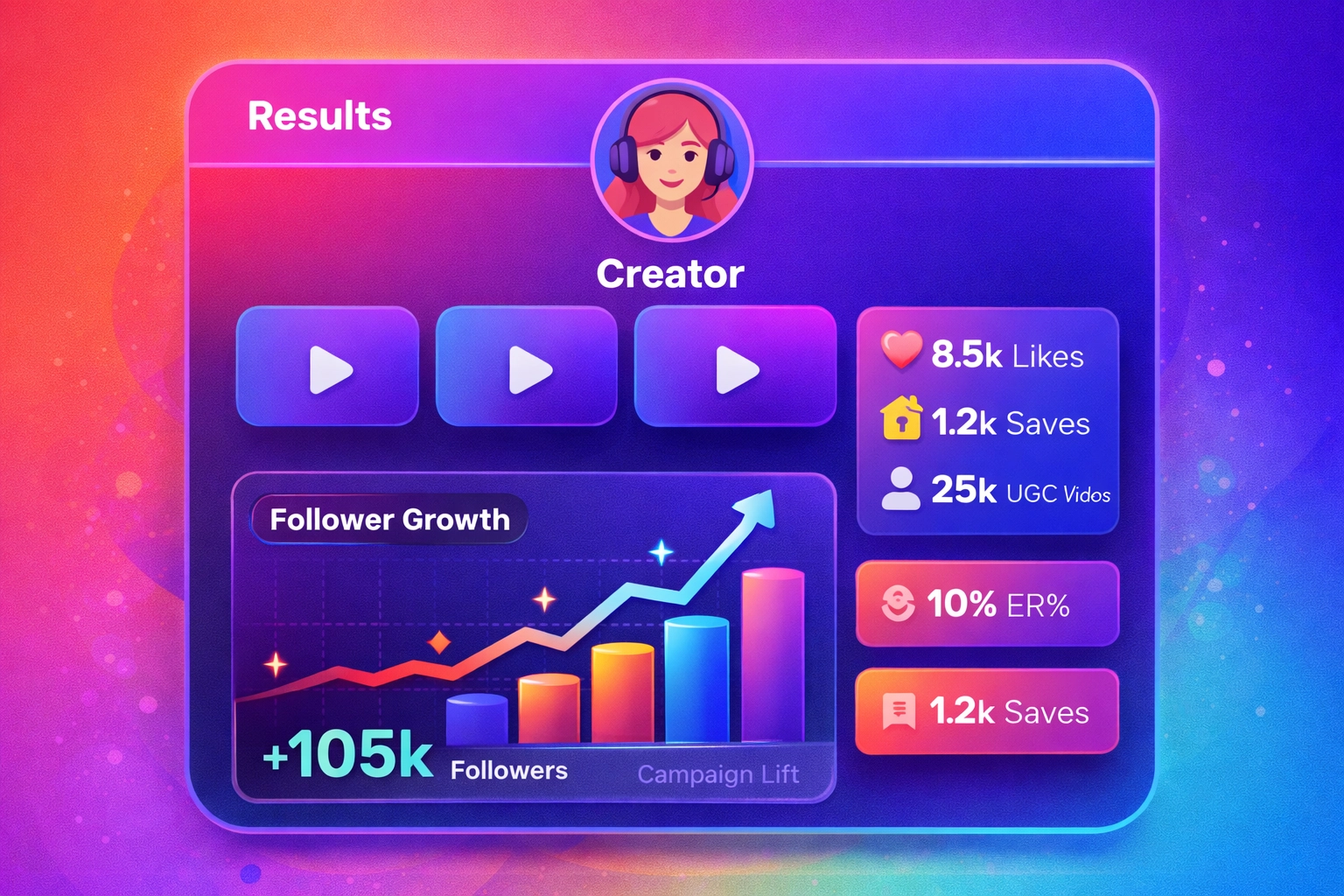
Here's where your music promotion becomes a science instead of a guessing game. You need to track specific metrics at every stage.
Primary KPIs for song promotion:
Stream counts: Your baseline success metric. Are people actually listening?
Save rates: This is huge. Saves indicate genuine interest, not just passive listening. High save rates mean people want to come back to your music.
Playlist placements: Both algorithmic and curator-added playlists extend your reach exponentially.
Social engagement: Likes, comments, shares, and story mentions across all platforms.
Secondary KPIs to monitor:
Skip rates: Where are people dropping off in your song? This tells you if your intro is hooking listeners or losing them.
Share counts: Are people excited enough to show their friends? Shares are the ultimate validation.
Creator content performance: Which creator's posts drove the most engagement? Double down on what works.
Link click-through rates: How many people who saw the content actually took action?
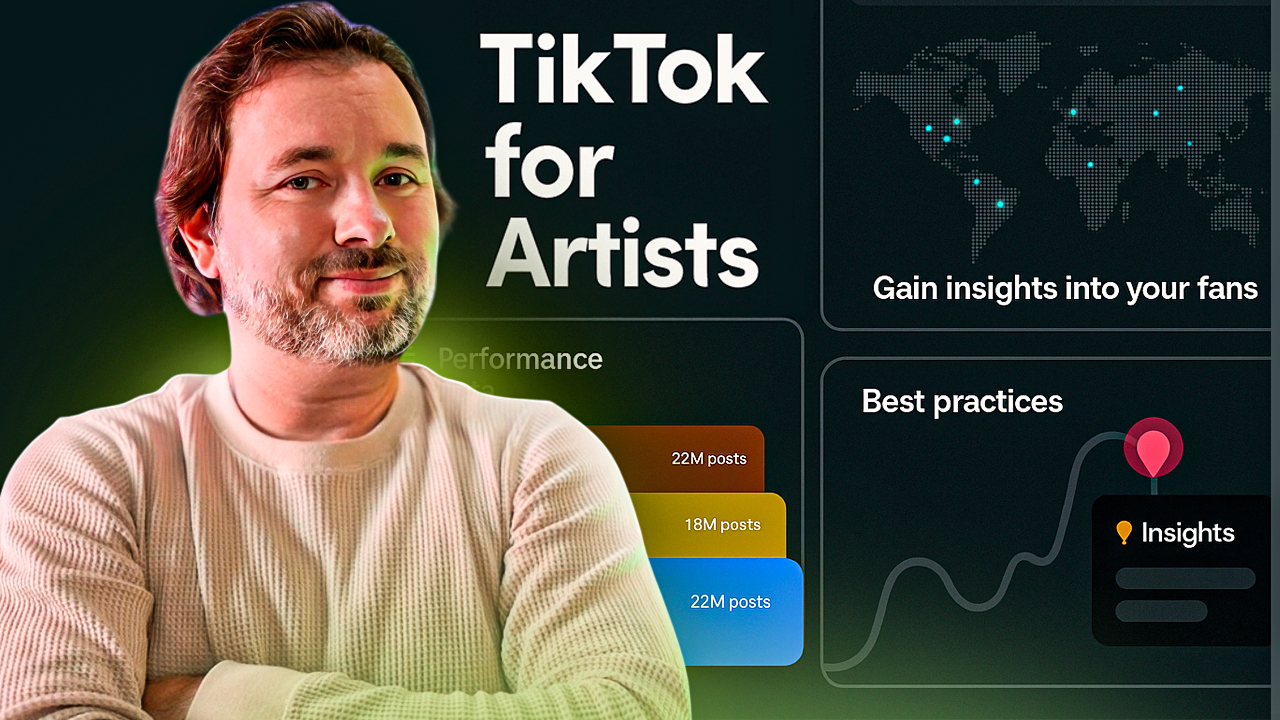
Set up a simple dashboard (even a Google Sheet works) where you track these metrics daily during your campaign. You'll start seeing patterns emerge: maybe TikTok drives streams while Instagram drives saves. That intel is pure gold for your next release.
Step 6: Coordinate Your Launch for Maximum Impact
Timing is everything. You want all your creators posting within a tight window to create cultural momentum.
Your launch coordination checklist:
When multiple creators across different platforms are talking about your music simultaneously, you create the perception of a cultural moment. The algorithm notices. Playlists curators notice. Most importantly, listeners notice.
Step 7: Analyze, Learn, and Optimize
Your campaign doesn't end when the posts go live: that's when the learning begins.
Share performance data with your creators. What resonated? What flopped? Which platforms over-delivered and which under-performed?
Questions to answer post-campaign:
This feedback loop transforms every campaign into market research for your next release. You're building a playbook that gets sharper with each iteration.
The Sound.me Advantage: Scaling This Framework
Running creator campaigns manually is time-intensive. You're researching creators, negotiating rates, managing relationships, tracking metrics across platforms: it adds up fast.
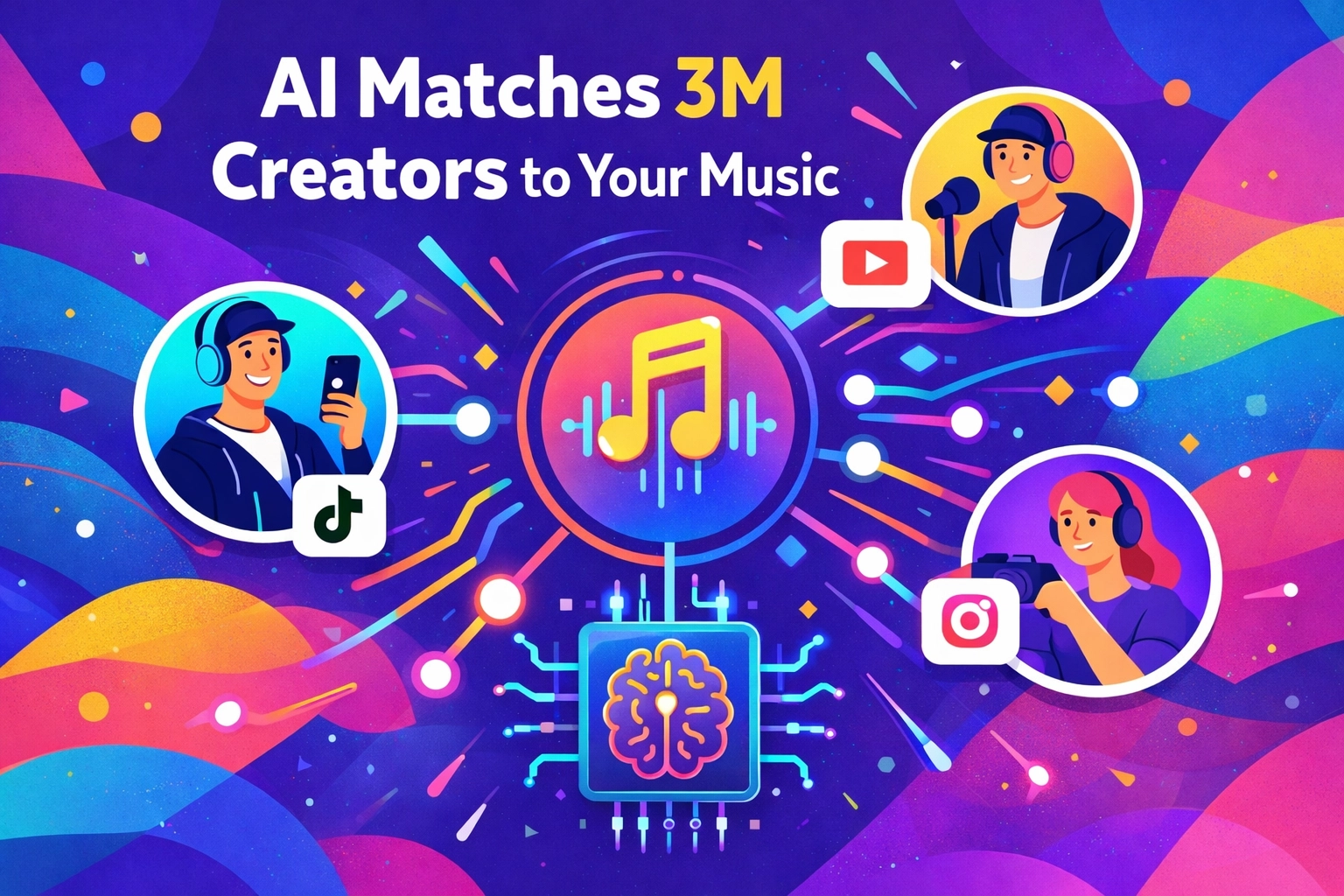
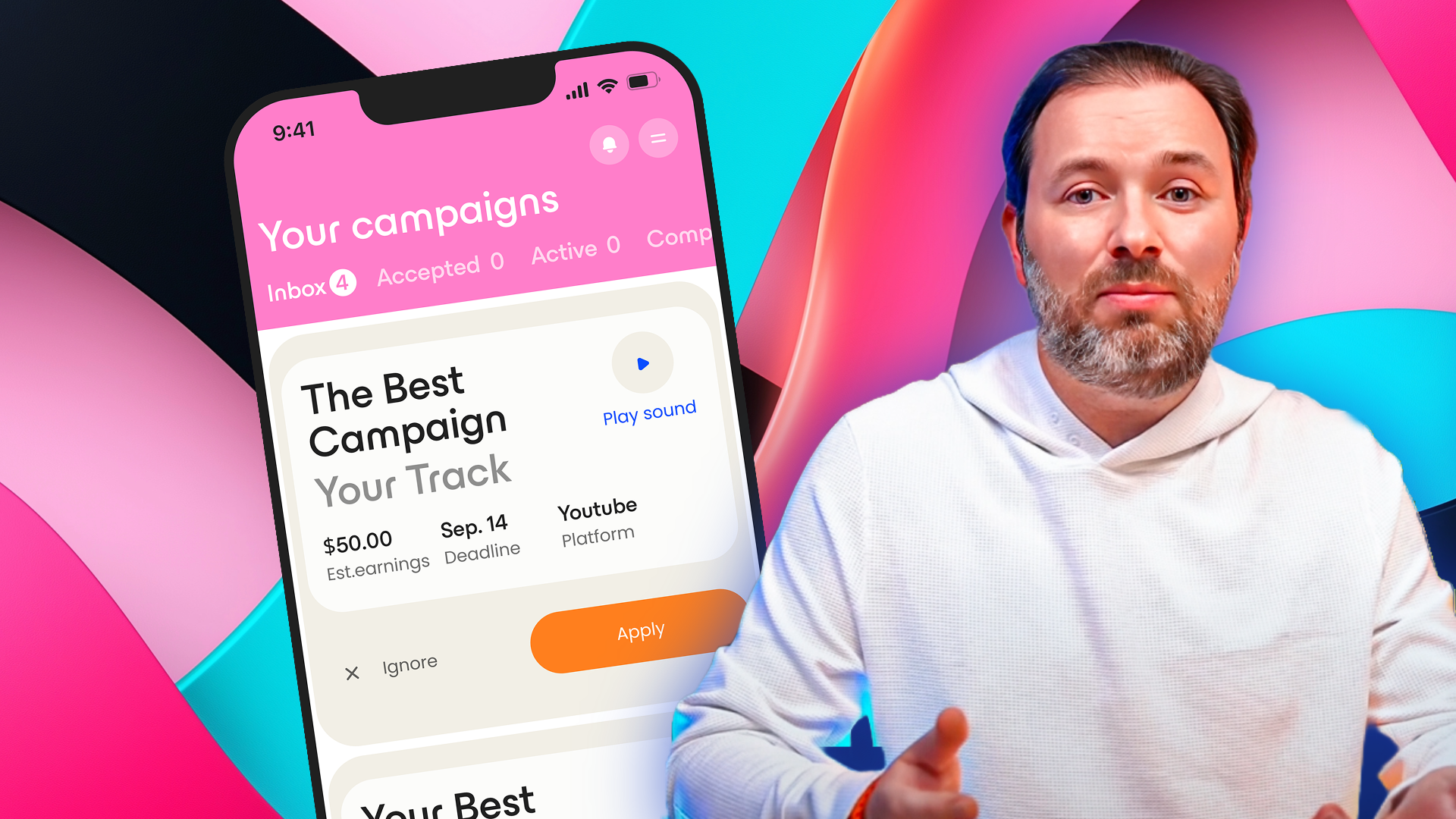
That's exactly why platforms like Sound.me exist. We match your music with thousands of aligned creators in minutes, not months, and provide built-in campaign management and analytics tracking. You get the creator campaign framework without the operational headache.
Whether you're an independent artist testing the waters or a label running campaigns for multiple releases, having the right music marketing platform makes this entire process scalable and measurable.
Your Next Move
Music promotion doesn't have to feel like gambling. With a creator campaign framework built on clear personas, aligned partnerships, and measurable KPIs, you turn promotion into a system you can refine and repeat.
Start small if you need to. Partner with 3-5 micro-influencers on your next release. Track your metrics obsessively. Learn what works. Then scale what's working and cut what's not.
The artists winning right now aren't the ones with the biggest budgets; they're the ones with the smartest strategies. Now you've got the framework. Time to make some noise.
%20copy.jpg)
.jpg)
.jpg)
%20copy.jpg)
%20copy.jpg)


.png)
.png)
.png)
.jpg)
.jpg)
.png)
.png)
.png)
.png)
.png)
.png)